
Your cart is currently empty.




If you've added a big stereo, a winch, off-road lighting, or a snow plow to your vehicle and you're seeing dimming headlights, flickering gauges, or a battery that never seems fully charged, your factory charging system is probably the bottleneck. The fix most enthusiasts land on is a high output alternator — and this guide explains exactly what that means, how these units work, and how to know if you need one.
A high output alternator is an alternator engineered to produce significantly more electrical current — measured in amps — than the original equipment (OE) unit your vehicle shipped with. Where a typical factory alternator might produce somewhere between 90 and 160 amps, high output units commonly range from around 170 amps all the way up to 400+ amps.
The job is the same as any alternator: convert mechanical energy from the engine's belt into electrical energy to run your accessories and keep the battery charged. The difference is capacity. A high output alternator is built with upgraded internal components — heavier-duty rectifiers, improved stator windings, better diodes, and often a higher pole-count rotor — so it can deliver more current without overheating or failing.
Here's the detail that trips up a lot of first-time buyers. An alternator's advertised rating is usually its maximum output at cruising RPM. But your electrical problems almost always happen at idle — sitting at a stoplight with the bass thumping and the AC running.
A quality high output alternator is rated for both. For example, a well-built 400 amp unit might produce 180–200+ amps at engine idle speed and 400+ amps at cruising RPM. When you compare alternators, always look for the idle figure, and look for the term "hot rated" — meaning the output was measured at real operating temperature, not in a cold lab where any alternator performs better.
You're a candidate for a high output alternator if you're experiencing:
If your vehicle is bone stock and charging normally, you generally don't need one. High output alternators are an upgrade for vehicles whose electrical demand has outgrown the factory unit.
Not all "high output" alternators are equal. The better units share a few engineering traits worth understanding:
6-phase stator technology. Most factory alternators use a 3-phase stator. Premium high output units use a 6-phase design, which produces smoother, more efficient current delivery and runs cooler under sustained load.
Heavy-duty rectifiers and diodes. The rectifier assembly converts the alternator's AC output into the DC your vehicle uses. High-amperage units use larger — often twin — rectifier assemblies with more diodes (12 is common on top-tier units) to handle the extra current without thermal failure.
Application-specific design. The best manufacturers don't sell a universal alternator. They build the unit for a specific make, model, engine, and year so the mounting points, pulley alignment, and wiring plug match your vehicle exactly. This "bolt-in" approach avoids the fitment headaches of one-size-fits-all units.
A high output alternator can push far more current than your factory wiring was designed to carry. Pumping 300 amps through a charging wire sized for 130 amps creates voltage drop, heat, and a real safety concern.
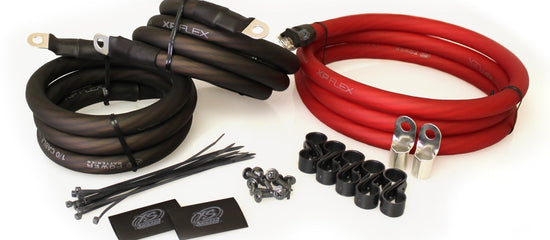
That's why a "Big 3" wiring upgrade is strongly recommended — and required by many manufacturers to keep the warranty valid. The Big 3 upgrades three critical cables with heavy-gauge wire:
It's an inexpensive upgrade relative to the alternator itself, and it's what lets the alternator actually deliver its rated output reliably.
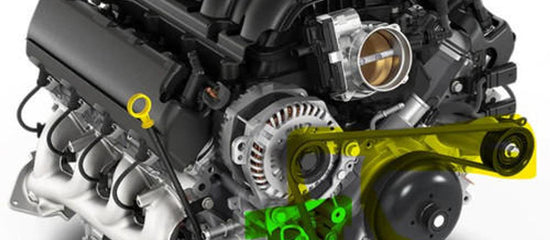
Because high output alternators often come with a smaller-diameter pulley (a 1.75-inch pulley is common) to spin the unit faster at idle, many installations require a slightly shorter drive belt — typically ½ inch to 1 inch shorter than stock — to maintain correct belt tension. Always check the manufacturer's fitment notes before installing, and use a belt finder tool if one is offered. Running the wrong belt length can cause low output and unnecessary strain on the alternator.
Will a high output alternator hurt my engine or fuel economy? No. An alternator only draws power from the engine in proportion to the electrical load placed on it. If you're not using the extra capacity, it isn't being generated. You won't notice a meaningful fuel economy or performance change.
Can I install a high output alternator myself? For a true bolt-in, application-specific unit, installation is comparable to a standard alternator swap — within reach of a confident DIYer with hand tools. The two things to get right are belt length and the charging wire upgrade.
Do I need a second battery? Not necessarily. A high output alternator addresses generation. A second battery addresses storage for short high-demand bursts (like a competition audio system). Many builds only need the alternator.
How many amps do I actually need? Add up the current draw of everything you run simultaneously, add the vehicle's baseline draw (typically 40–60 amps), and give yourself headroom. When in doubt, more idle output is the safer choice.
A high output alternator is the right fix when your vehicle's electrical demand has outgrown the factory charging system. Focus on idle output, look for hot-rated figures, choose an application-specific unit built with 6-phase technology and heavy-duty rectifiers, and upgrade your wiring to match.


Not to worry, we got you! Let’s get you a new password. Please enter your email address or your Username.