
Your cart is currently empty.




"How many amps should I get?" is the question behind almost every high output alternator purchase — and getting it wrong in either direction costs you. Undersize it and you're back where you started with dimming lights and a strained unit. Wildly oversize it and you've overspent. This guide gives you a straightforward way to size it right.
Two numbers matter, and most shoppers only look at one:
A 400-amp alternator that only makes 90 amps at idle won't solve a problem that happens at a stoplight. Always size around idle output, and look for "hot rated" figures — measured at real operating temperature, not cold.
List everything that runs at the same time and its approximate current draw. Typical ballpark figures:
Sum the loads you'd realistically run simultaneously, then add 20–30% headroom. Headroom keeps the alternator from running maxed out constantly — which is what kills units early — and leaves room for the next thing you add.
Now shop for a unit whose idle output comfortably covers your total. If your realistic simultaneous draw is ~220 amps, you don't want a unit that only makes 220 at idle — you want meaningful margin above it.
These are general starting points, not absolute rules — always do your own math:
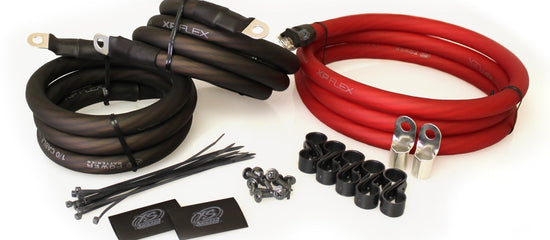
Sizing the alternator is half the job:
Can an alternator be too big for my vehicle? Not in a harmful sense — an alternator only produces what the electrical load demands, so unused capacity isn't "wasted" or stressful on the engine. The only real downside of going much larger than needed is spending more than you had to.
Should I size for peak audio draw or average? Size with peak in mind, but be realistic — music peaks are brief. The combination of a properly sized alternator and adequate battery storage handles peaks. Chronic, sustained loads (fans, lighting, inverters) are what your idle output must cover outright.
What if I plan to add more later? Build the future loads into your Step 1 list now. It's almost always cheaper to size up once than to upgrade the alternator twice.
Where do I find accurate draw numbers? Check the spec labels and manuals for your accessories. For audio, use real RMS ratings, not peak marketing wattage.
Size around idle output, add up everything you run at once, build in 20–30% headroom, and plan the wiring and battery to match. Do the math once and you'll buy the right alternator the first time.
Ready to choose? Start with What Is a High Output Alternator?, compare brands in our Mechman Alternators Buyer's Guide, or jump to the Mechman 400 Amp Alternator guide if you drive a GM truck.


Not to worry, we got you! Let’s get you a new password. Please enter your email address or your Username.